

desireea861640
About desireea861640
The Definitive Information To Apartments
 The real estate market does not move in one direction nationwide. It never has. What is happening in Austin is not what is happening in Cleveland. What is true for a three-bedroom in the suburbs of Dallas has almost nothing to do with a two-bedroom in San Francisco. Before you do anything else, narrow your focus to the specific market you are shopping in and stop reading national headlines as if they apply to you personally.
 Home prices at the national level have remained well above their pre-pandemic levels even as sales volume collapsed. The reason is supply. Homeowners who locked in three percent mortgages in 2020 and 2021 have almost no incentive to sell, which means the correction that many analysts were expecting simply did not materialize the way the data suggested it should.
 Here is what that creates for someone who has done the work before they start looking: more room to negotiate than the market’s reputation suggests. The panic buyers are gone. The buyers who showed up with desperation instead of preparation have mostly sat back down. What remains is a more functional market, even if it is not a cheap one.
 Your credit score affects your rate more directly than most buyers realize. The difference between a 680 score and a 760 score can mean a half-point or more in rate. If your score has room to improve, pull your reports, find the issues, and address them before you start shopping seriously.
The appraisal is the lender’s check, not yours. If the home appraises below the contract price, the lender will only finance against the appraised value. Ask your agent how common appraisal gaps have been in your target price range and neighborhood.
Price matters, but terms matter too. A longer closing window, a shorter inspection period, a larger earnest money deposit, or willingness to do a rent-back period can all tip a deal in your favor without you spending an extra dollar on the purchase price.
 The timing question, whether to buy now or wait for rates to come down, is the one that trips up more buyers than any other single factor. The record on market timing for owner-occupied housing is not encouraging. The more useful question is not whether now is the right time in the abstract; it is whether you are buying because the numbers make sense for you, not because you feel social pressure to own.
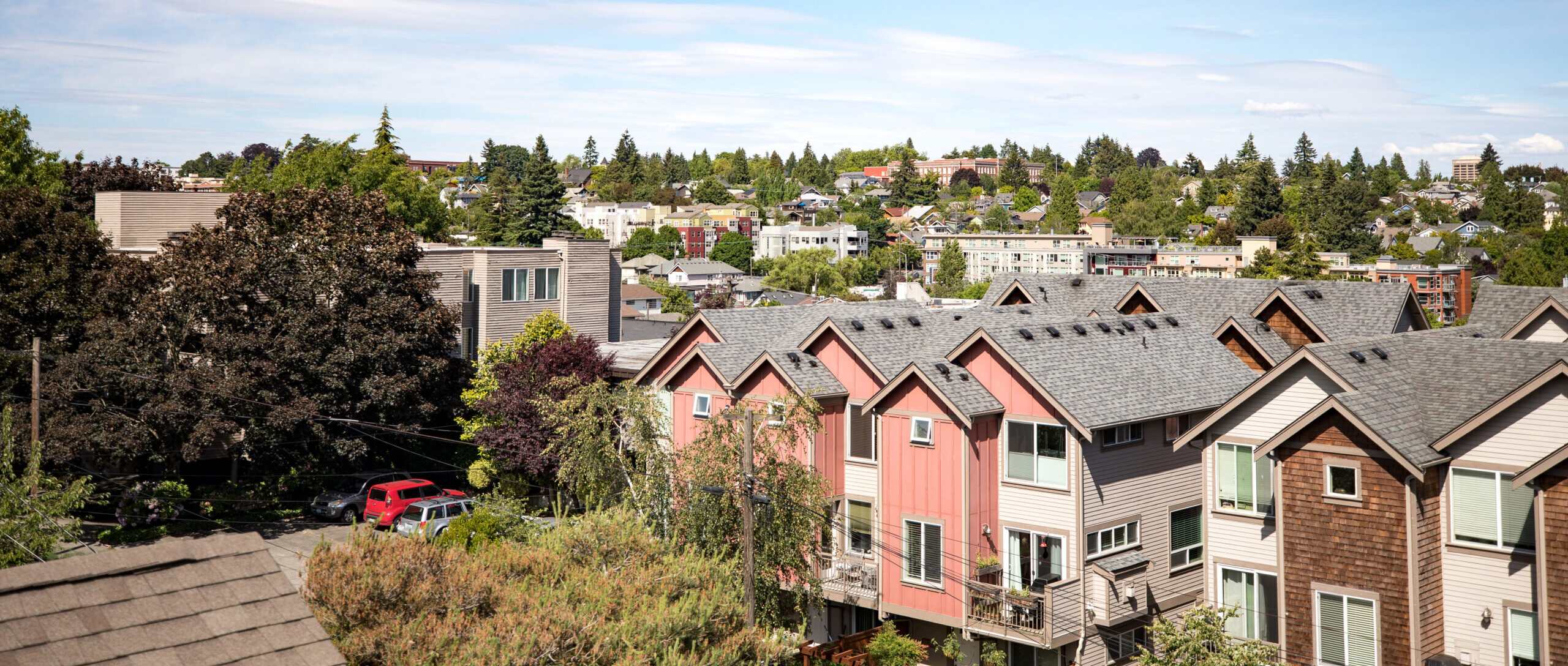 The buyers who come out ahead in this market are not the ones who waited for perfect conditions. They are the ones who got their finances in order early. The most useful thing you can do today is look at homes for sale near you and see whether the numbers work for your situation.
No listing found.

